

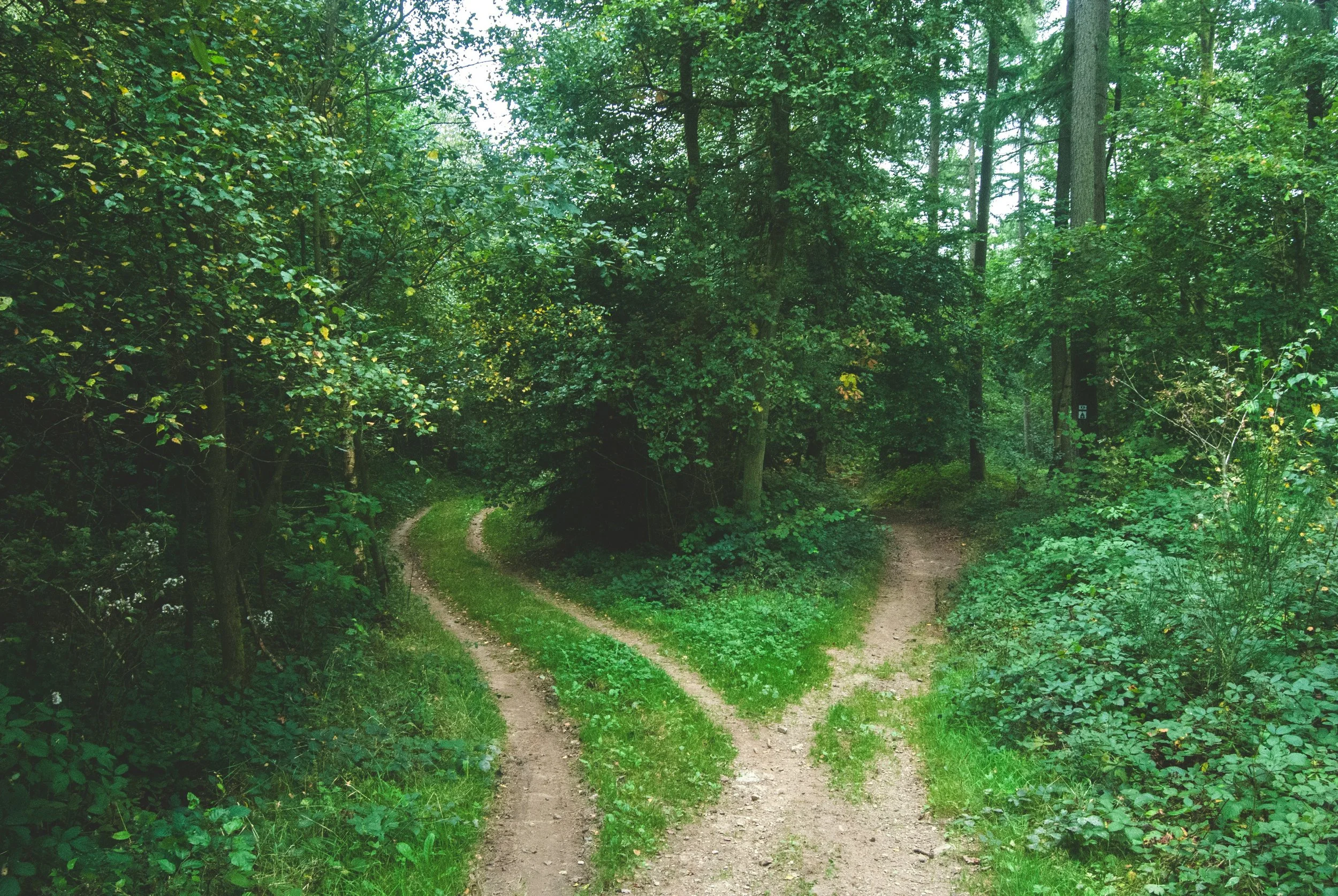
Decision Making Is the Heartbeat of a Living Organisation
In every living system, there is a pulse. A rhythm that keeps the whole organism coherent, adaptive and able to respond to its environment. In human organisations, that pulse is decision-making. Decisions are not isolated acts; they are expressions of the organisation’s deeper patterns, habits and relationships. They reveal how information flows, how people sense and interpret reality, and how the organisation chooses to act in the world.
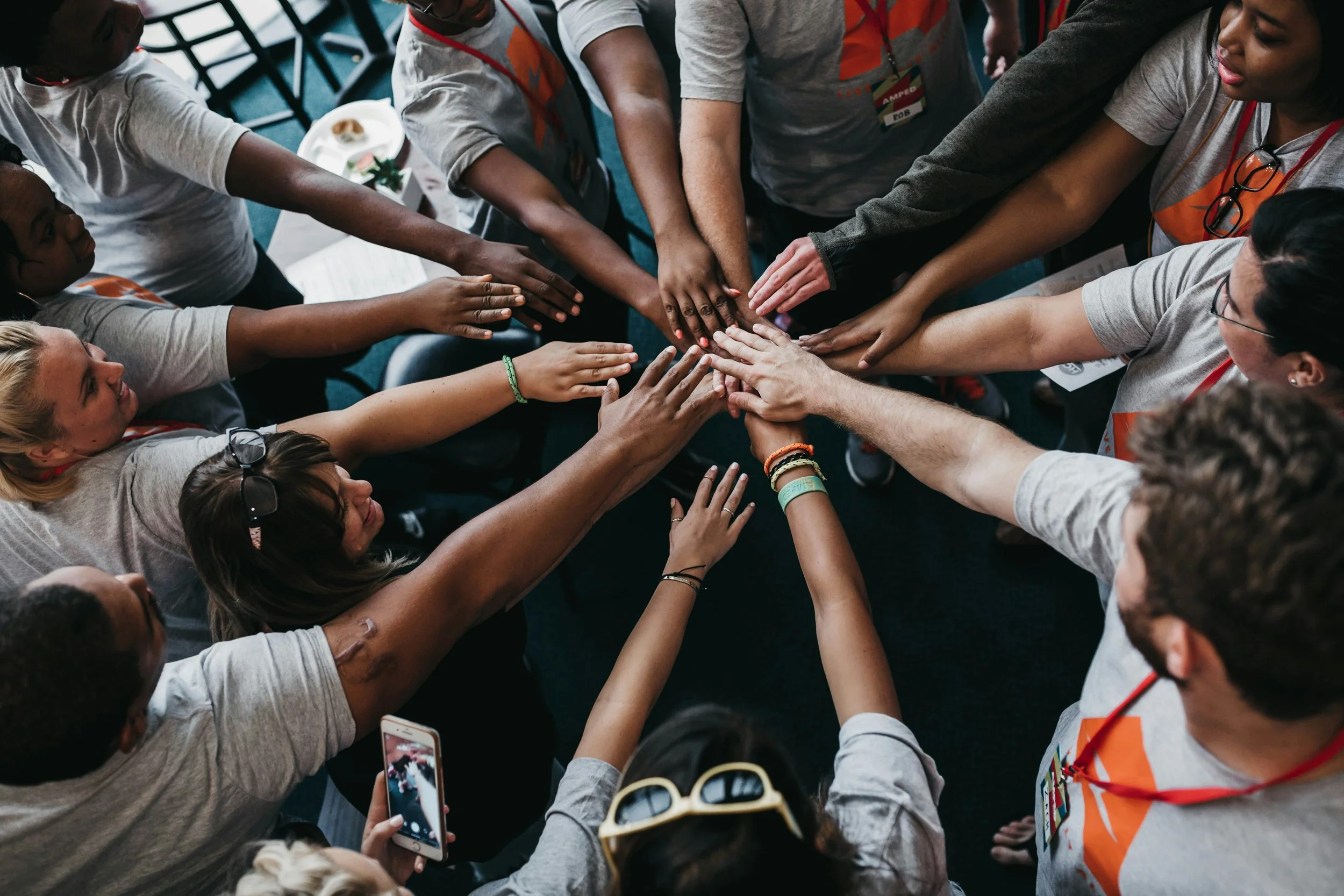
Culture is Lived, Not Laminated
Culture is not values on a wall. It is the lived, felt, enacted reality of how an organisation actually behaves. When people say culture is what happens when no one is looking, they are pointing to culture being the pattern of behaviours the system consistently rewards, tolerates, and reinforces. It is not the laminated values posters in reception or the carefully crafted statements in the annual report. It is the day‑to‑day experience of being inside the organisation’s living system.
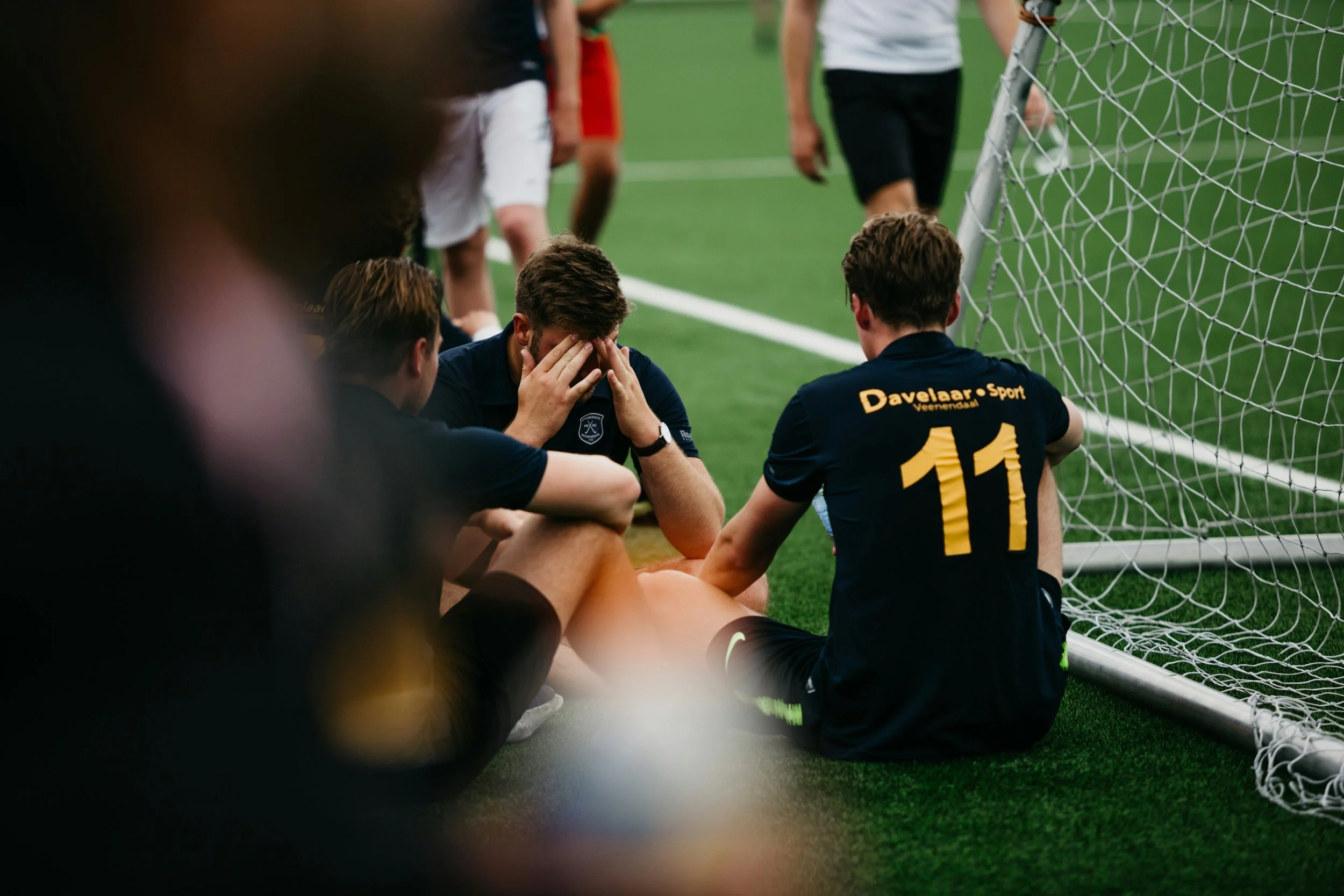
Why Teams Struggle Under Pressure
Organisations often assume that teams fail because the pressure becomes too intense. When deadlines tighten, crises emerge, or the environment shifts suddenly, teams can suddenly not cope. It is tempting to believe that pressure itself is the culprit. Yet when we look more closely at how healthy teams operate, it is evident they struggle because the conditions for resilience were never built beforehand.
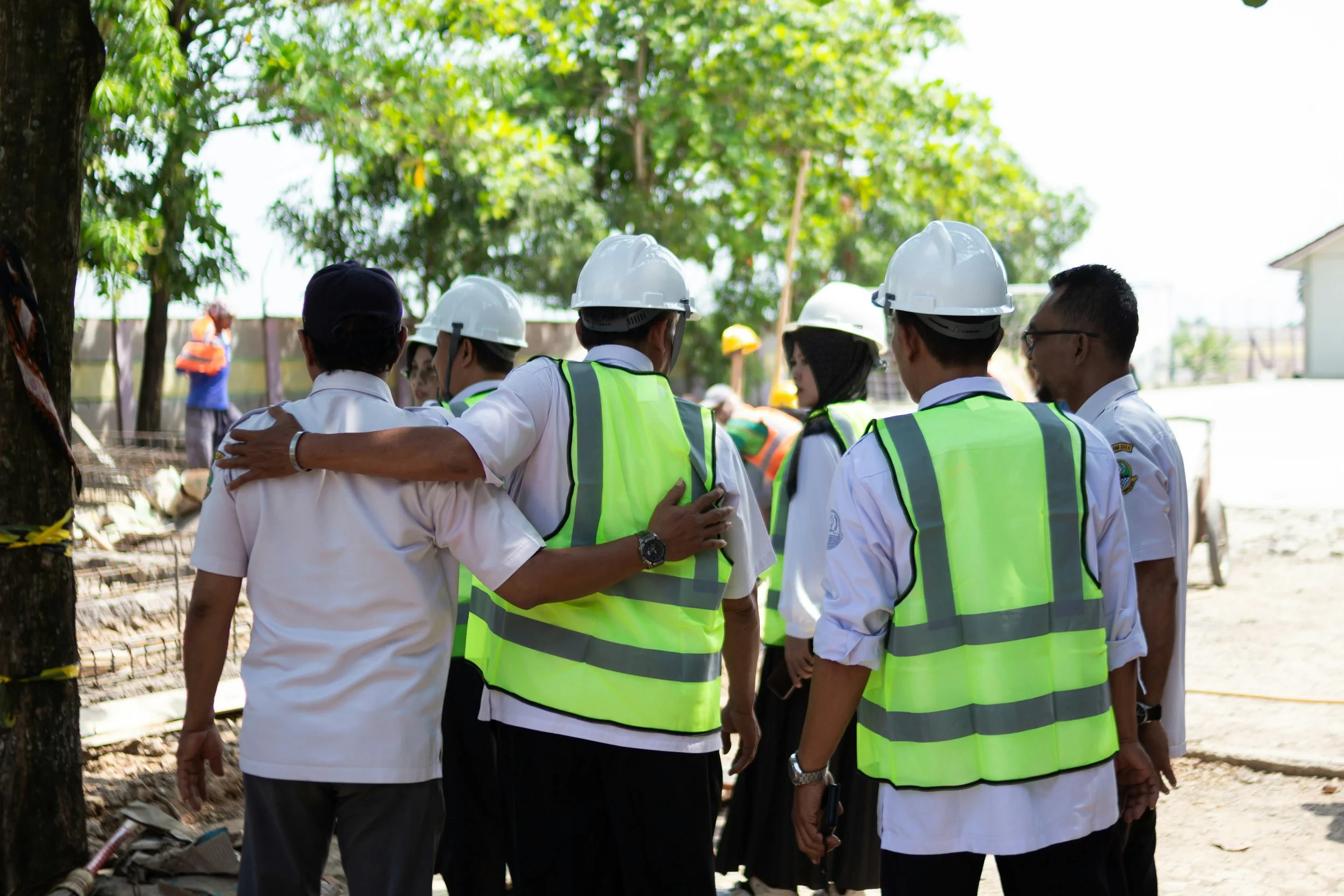
How Living Systems Organisations Create Psychological Safety
Psychological safety has become one of the most cited predictors of team performance, innovation, and wellbeing. Yet many organisations still treat it as a cultural nice-to-have rather than a structural necessity. They run workshops, launch initiatives, and encourage people to speak up, but the underlying system continues to reward caution, conformity, and silence.

How Living Systems Organisations Reduce Burnout
When organisations operate with machine logic, people become overloaded, disconnected and depleted. When organisations operate more like living systems, the conditions shift. Clarity increases, connection strengthens, pacing becomes healthier, and flow improves. Burnout reduces in a way that is natural, sustainable and systemic.

Why People Burn Out: The Systemic Roots Hidden Inside Modern Organisations
Burnout is often framed as an individual problem. People are encouraged to build resilience, manage their energy, take more breaks, or practise mindfulness. These practices can help, but they do not address the deeper truth. People burn out because the systems they work within create conditions that make exhaustion almost inevitable.
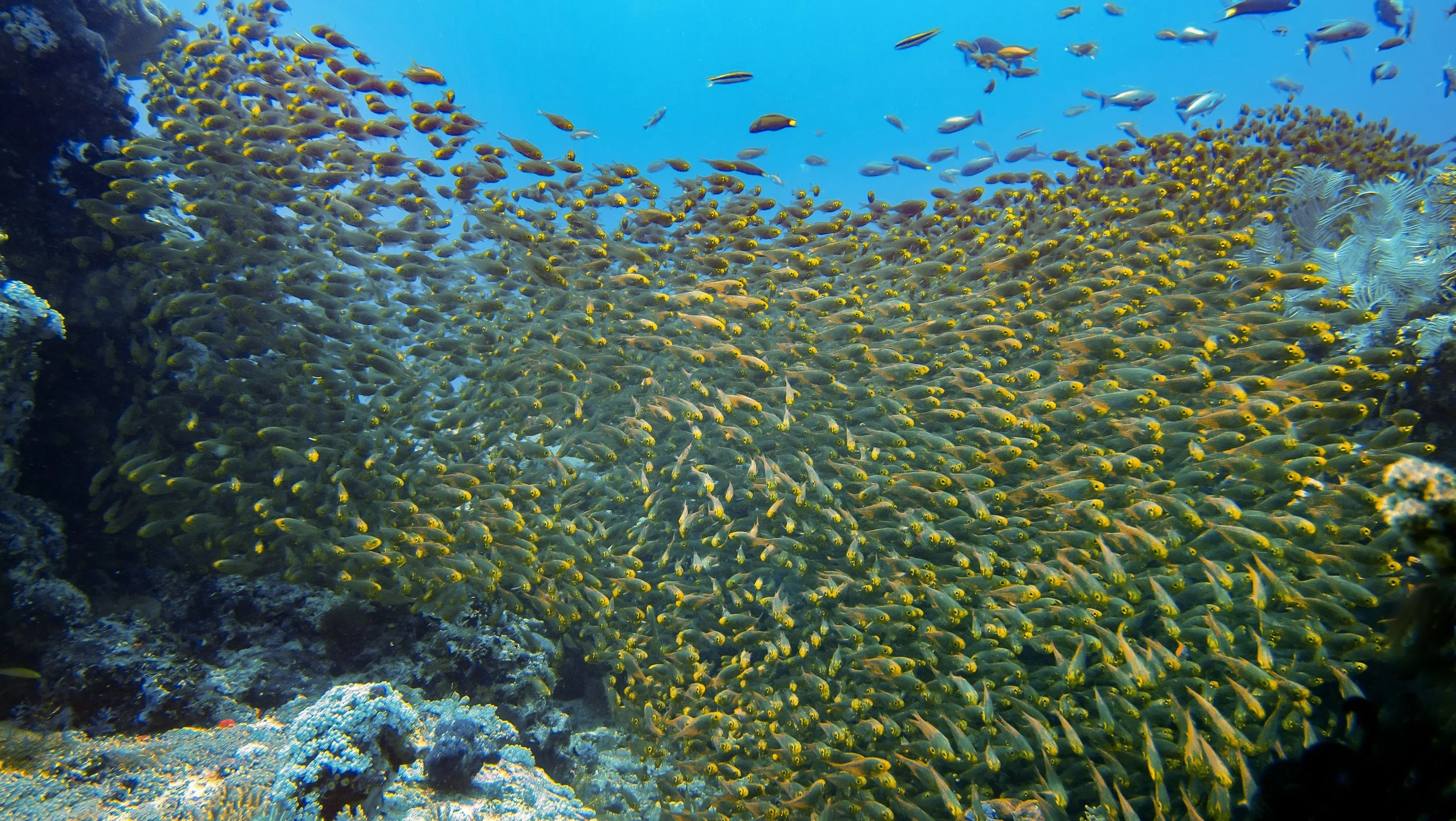
Examples of Living‑Systems Organisations: How Leading Companies Are Evolving Beyond Machine Logic
For decades, many organisations have operated according to a mechanical worldview: optimise for efficiency, maximise shareholder returns, and control the system from the top. But this paradigm is increasingly unfit for a world defined by complexity, interdependence, and accelerating change.
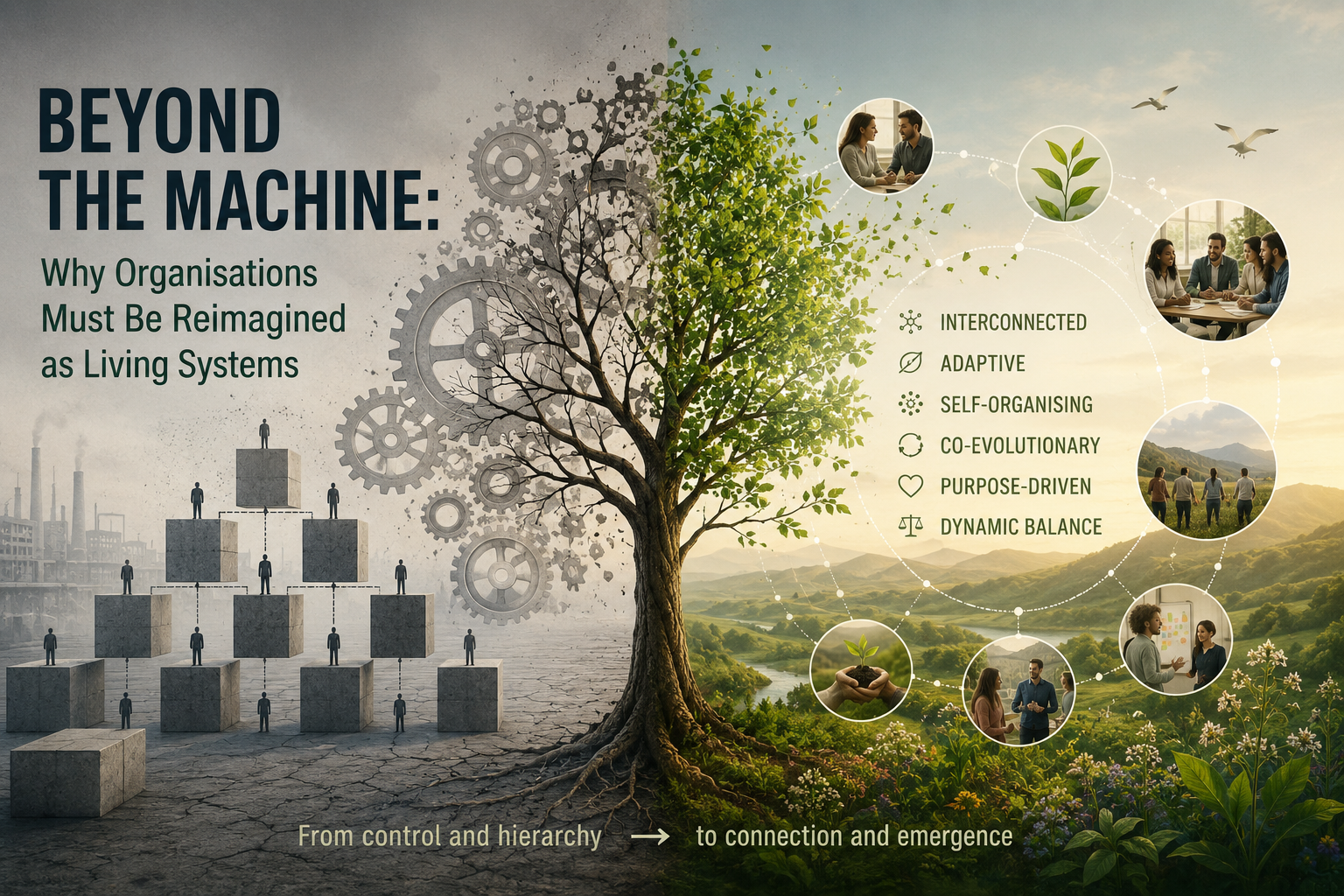
Beyond the Machine: Why Organisations Must Be Reimagined as Living Systems
The idea of the organisation as a machine can be traced back to the Industrial Revolution and early management theory, where efficiency, standardisation, and predictability were prioritised. Influenced by scientific management and bureaucratic models, organisations were structured to maximise control and minimise uncertainty. While this approach enabled scale and productivity, it also reinforced rigid hierarchies and separated organisations from the social and ecological systems in which they operate.

Changemaker Circle Case Study
A group of leaders came together in a Changemaker Circle to explore their experiences of leading and navigating change in the messy middle of organisations. They represented a wide range of sectors that included technology, secondary education, higher education, environmental charity, workplace training and construction. Although they all occupied roles within the messy middle, their titles varied and included heads of department, middle leaders, senior directors and operations directors. They also worked across diverse functions such as sales, marketing and operations.

Rethinking Leadership for a Complex World
For more than a century, leadership has been assumed to be something that resides within a single person. In times of relative stability, this assumption appeared workable. Today, however, organisations operate in conditions shaped by climate disruption, social fragmentation, geopolitical volatility, and rapid technological change. These pressures expose the limits of individual leadership and call for a more collective and systemic approach.
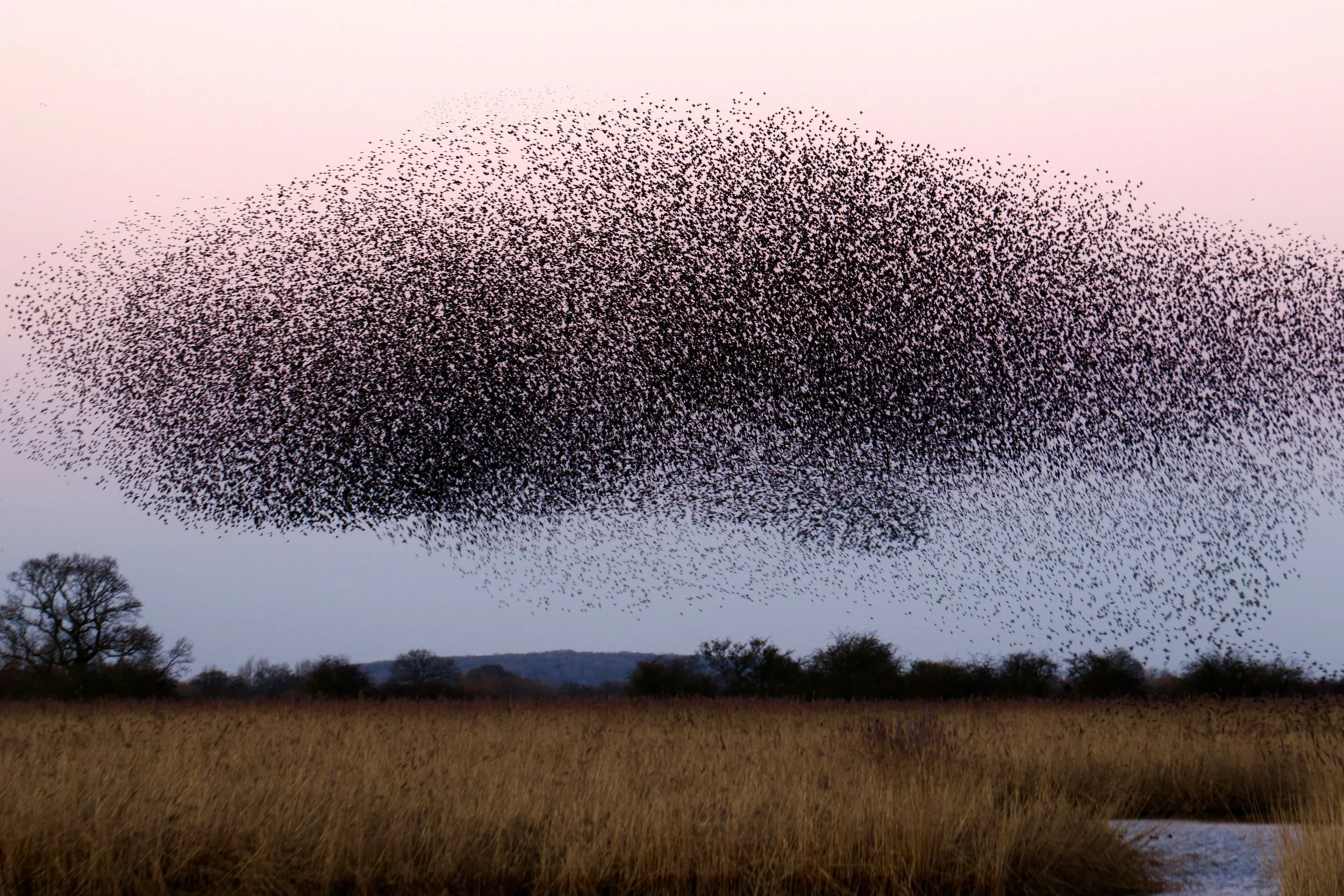
Beyond the Lone Hero: Why Leadership Must Evolve into a Collective Practice
For generations, leadership has been shaped by the belief that its power lives within a single individual’s strengths, traits, and resilience. Accordingly, the individual leader has been expected to carry the weight of responsibility, make the tough calls, and navigate complexity alone. But a quiet revolution is underway. A new understanding is evolving that values collective sense‑making, relational dynamics, and shared responsibility.

Reclaiming Wholeness: Somatic Coaching with Nature
In a world where we are asked to move faster, think smarter, and carry more complexity than ever before, we may find ourselves living almost entirely in the realm of the mind. Strategies, meetings, metrics, and decisions stack on top of one another, leaving little space for a deeper kind of knowing - the kind that lives in the body, in the nervous system, and in our relationship with the natural world.

Bridging the Complexity Gap: Rethinking Leadership for a Regenerative Economy
As the world pivots toward regenerative, inclusive, and stakeholder-driven models of value creation, a deeper challenge is emerging; one that’s often overlooked in the rush to innovate. It’s not just about new strategies or economic paradigms. It’s about the people leading them. Specifically, it’s about a growing mismatch between the complexity of today’s systems and the developmental capacities of those expected to navigate them. This is what researchers are calling the complexity gap.
Contact Us
Get in touch if you would like to unlock your organisation’s living potential.